

Everyone wants to be a writer these days. This is normal. Writing involves sharing interesting thoughts, experiences, and stories. What’s not to like?
The problem? Writing is, well, really hard. (At least it was before the rise of artificial intelligence, some might say. But don’t confuse good writing with AI slop.)
Ernest Hemingway, one of the best, once said, “There is nothing to writing. All you do is sit down at a typewriter and bleed.”
The great writers all had their tricks. For Louis L’Amour the secret was to write five pages a day. Every day. No matter what. Sundays too? Yep. Christmas? Ditto.
The anecdote reveals a hidden truth: writing well is work. It’s labor. But learning and understanding the craft of writing is part of that work. One of the best pieces of advice I ever received came from Jacques Barzun: write simply and directly. (I am currently reading Evan Barker’s new political memoir Nothing Left, and it’s clear she understands this.)
Barzun’s advice is similar to that of his contemporary, C.S. Lewis, who advised young writers to strive for clarity and direct language.
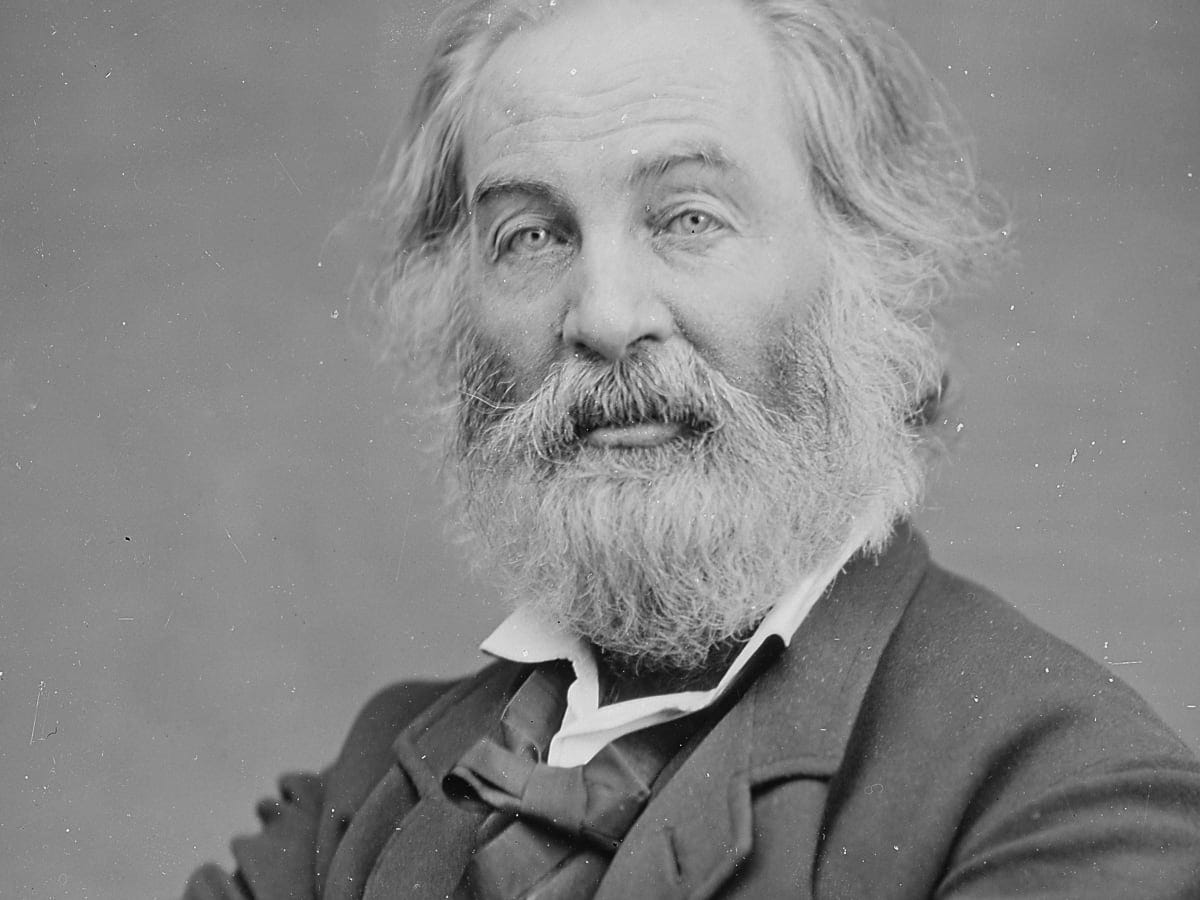
I recently came across an 1888 interview a New Jersey newspaper conducted with Walt Whitman, perhaps the most esteemed poet in American history. During the interview, conducted just four years before the poet’s death, Whitman offered some advice to would-be writers.
Here are three points he made:
1. Whack away at everything pertaining to literary life—mechanical part as well as the rest. Learn to set type, learn to work at the ‘case’, learn to be a practical printer, and whatever you do learn condensation.
2. To young literateurs I want to give three bits of advice: First, don’t write poetry; second ditto; third ditto. You may be surprised to hear me say so, but there is no particular need of poetic expression. We are utilitarian, and the current cannot be stopped.
3. It is a good plan for every young man or woman having literary aspirations to carry a pencil and a piece of paper and constantly jot down striking events in daily life. They thus acquire a vast fund of information. One of the best things you know is habit. Again, the best of reading is not so much in the information it conveys as the thoughts it suggests. Remember this above all. There is no royal road to learning.
Whitman’s advice boils down to this: write what you observe; familiarize yourself with the tools necessary to publish; write in a medium that is practical.
Many writers today would benefit from closely following this advice.
Recording the interesting, striking, and poignant observances one encounters daily is just as important to the writer in 2026 as the writer in 1888. And while it might not make sense for the 21st century writer to learn to set type, it’s probably a good idea to become savvy in today’s digital publishing tools and platforms (blogs, social media, Youtube, etc.).
And as for poetry, well, when the man who wrote Leaves of Grass says don’t write it because there is no future in it, you might want to listen.

This article was updated from a 2016 piece originally published in Intellectual Takeout.
I recall reading the "five pages a day" maxim in connection with Hemingway. Even if it's hard to ascribe originality, he somehow carries more impact for me than L'Amour.